
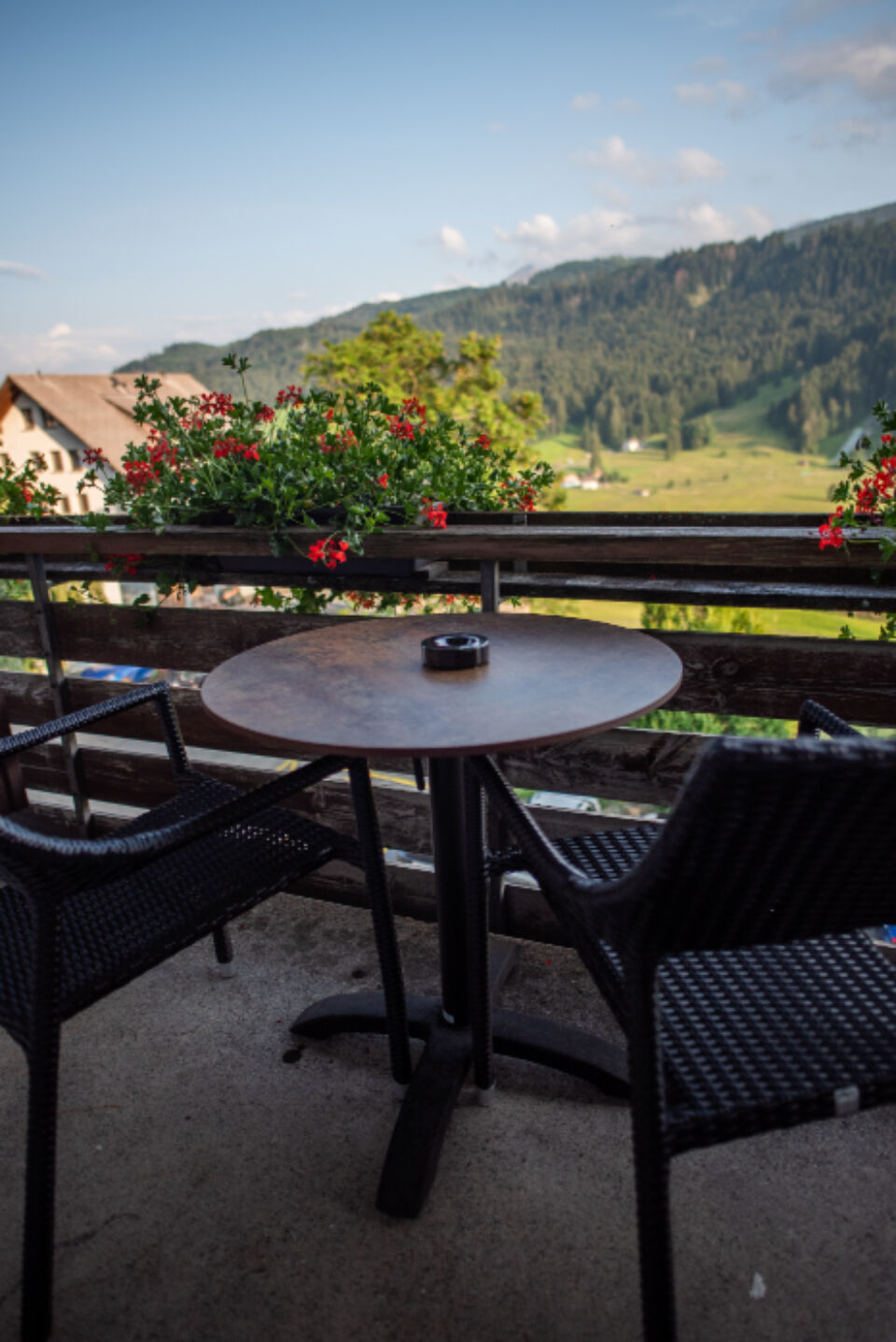
Windows and balconies bring light and breeze into a home. For toddlers they can also be a real hazard. Many child falls from windows happen in the family’s own home. A few design choices and small fittings can make these spaces much safer.
This post covers the main risks and the practical fixes. It draws on NSW Health guidance and NSW Government planning information. Building rules and timelines differ between states and change over time. Check the current rules where you live before you buy or install anything.
Who is most at risk
NSW Health says children aged one to five are most at risk of falling from windows and balconies. Children at this age are curious but cannot yet recognise danger. They climb anything they can reach. A window that seems high to an adult is often within reach once a toddler finds a step.
Falls happen more often in the warmer months. Windows and balcony doors tend to be left open day and night. Many of these falls happen in the child’s own home. They can cause serious injury or death.
Why flyscreens are not enough
A flyscreen looks like a barrier, but it is not built to hold weight. NSW Health warns that a child can fall from a window open more than 12.5 centimetres, even if a flyscreen is fitted. The screen is there to keep insects out, not to keep children in. Do not rely on one to stop a fall.
The safer approach is to limit how far the window opens. NSW Health suggests fitting latches or locks that stop windows opening more than 12.5 centimetres. Guards fitted over the opening are another option. These devices are sold at hardware stores and online.
Opening windows from the top
Where a window opens from the top, use that part first. NSW Health suggests keeping windows above ground floor open no more than 12.5 centimetres where possible. That applies especially to bedroom windows. You still get airflow, but there is no gap low enough for a child to climb through.
Rules for window safety devices
The Building Code of Australia limits window and balustrade openings to 12.5 centimetres where they are regulated. Older buildings do not have to meet current standards. You can still improve them yourself. You do not need to wait for a rule to fit them.
In NSW, safety devices are currently required on windows in strata apartments. They are also required on bedroom windows in homes built since 1 May 2013. The NSW Government has consulted on extending this to high risk windows in most types of homes. A high risk window is openable, sits less than 1.7 metres above the floor and has a drop of 2 metres or more outside.
Under that proposal, a device would need to limit the opening to under 125 millimetres. It would need to resist a force of 250 newtons, which is about 25 kilograms. Any release would need to be child resistant. The NSW Government window safety page sets out the details and any updates.
Other states have their own building and tenancy rules. Renters in NSW should get written consent from the landlord before fitting devices. Under NSW tenancy law, a landlord cannot unreasonably refuse consent for minor changes like these. Check your own state’s tenancy rules if you rent.
Furniture and room layout
Layout is one of the simplest safety tools you have. Keep beds, couches, toy boxes and chests of drawers away from windows. A child who can climb onto furniture can reach a sill. Plan the room so nothing climbable sits underneath a window.
This can take a bit of rearranging in a child’s bedroom. Moving heavy pieces across timber can also mark the boards, so lift rather than drag. Our tips for cleaning wooden floors cover looking after timber once the room is set up. Teach children to play away from windows as well.
Blind and curtain cords are another hazard near windows. Mandatory national standards cover corded internal window coverings because of the strangulation risk to young children. Installers must make sure a loose cord cannot form a loop of 220 millimetres or longer less than 1600 millimetres above the floor. Keep cots and furniture well away from cords too.
Balconies and raised decks
Balconies need the same thinking. NSW Health suggests balustrades be at least 1 metre high where possible. Vertical bars should be no more than 12.5 centimetres apart. A ruler is the easiest way to check the gaps.
Avoid horizontal rails or parts that work like a ladder. Children can use them as footholds. Keep pot plants, chairs and other climbable things away from the edge. Lightweight furniture is a risk, because a child can drag it over.
Raised timber decks bring the same issues as balconies. Our post on timber decking design ideas looks at shaping outdoor spaces. When planning one, put balustrade design high on the list. Lock balcony and deck doors when you cannot keep watch.
Planning a new build or extension
A new second storey or upstairs extension is the best time to design out these risks. Window types, sill heights and balustrades are far easier to choose on paper. Talk to your designer about which upstairs windows could become high risk. Ask how each one will be limited or guarded.
Approvals can shape these choices as well. Our post on common planning mistakes for home extensions covers the council side of the process. Getting the safety detail right early saves changes later. It also avoids retrofitting locks onto brand new frames.
Older timber frames need some care before you fit anything. Rotten or flaking timber may not hold a lock screw well. Our guide to substrate restoration explains how damaged surfaces are repaired before repainting. A sound frame gives any safety device a firm base.
Supervision still matters
No device replaces watching children closely. NSW Health says to supervise children at all times around windows and balconies. Fittings and layout reduce the risk, but they do not remove it. The full NSW Health window and balcony safety brochure is a handy checklist to keep on hand.
Frequently asked questions
How wide can a window open safely for a toddler?
NSW Health advises limiting openings to no more than 12.5 centimetres. That is the gap the Building Code of Australia uses where openings are regulated. Window locks or latches can hold a window at that width.
Can a flyscreen stop a child falling?
No. NSW Health warns that children can fall through windows even with a flyscreen fitted. Use a window lock or guard instead.
Do I need a tradesperson to fit window locks?
Many window safety devices are sold at hardware stores and can be fitted at home. The NSW Government has proposed that professional installation would not be mandatory. Follow the maker’s instructions and check the frame is sound first.
What height should a balcony balustrade be?
NSW Health suggests at least 1 metre where possible. Vertical gaps should be no more than 12.5 centimetres. Rules for new work differ between states, so check with your local building authority.